Luxury is entering a quieter era. Across the world’s most sought-after residences, homes are being designed not just for beauty and prestige but for restoration, longevity, and everyday well-being.
For years, prestige was measured by what a home could display. Today, value is found in what a home provides: comfort, privacy, restoration, and peace of mind. In many ways, the most desirable residences no longer aim to impress the world outside. They are designed to improve life within.
The Rise of the Wellness Estate
This evolution mirrors broader global trends. The Global Wellness Institute estimates that wellness real estate remains among the fastest-growing segments of the wellness economy, driven by demand for homes that integrate health, sustainability, and well-being into everyday living.
As a result, a new residential archetype has emerged: the wellness estate. Across luxury residential markets from Singapore and Sydney to Dubai, London, and Los Angeles, a noticeable shift is taking place. Homes are increasingly being designed not merely as showcases of success but as environments that support healthier, more intentional living.
Intentional Architecture: Designing for Restoration
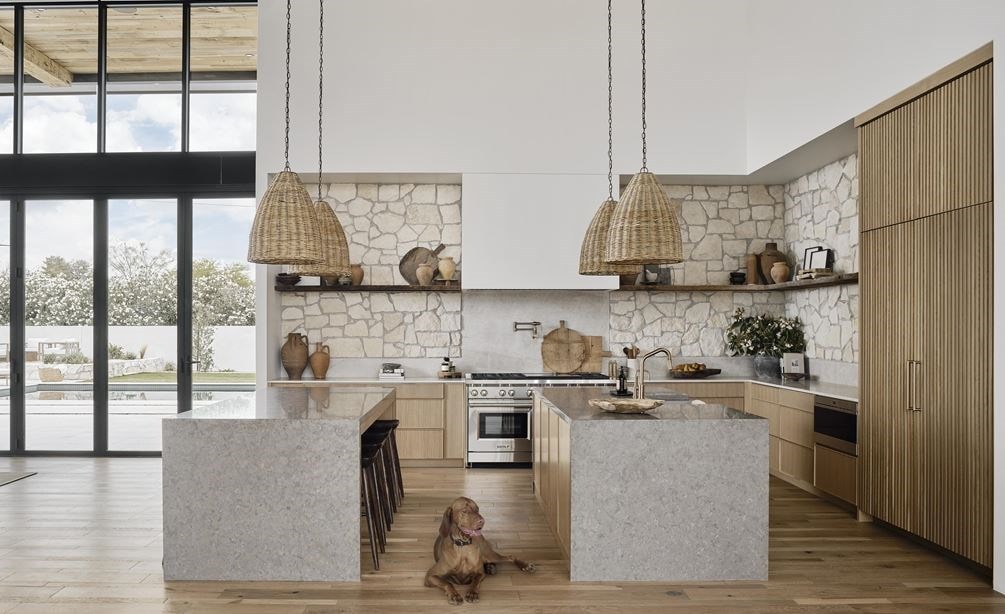
Step inside one of these homes and the difference is clear. Floor-to-ceiling windows maximize natural daylight. Landscaped gardens extend living spaces. Air purification and water filtration systems run quietly in the background. Natural stone, timber, and organic textures replace excessive ornamentation.
Nothing feels overwhelming. Everything feels intentional.
There is a distinct difference between a house that impresses and one that restores. One captures attention through scale, dramatic architecture, and statement features. The other leaves a lasting impression in subtle ways: the quality of light filling a room, the calm created by natural materials, and the ease of everyday rituals.
The Kitchen as the Center of Longevity
Among the spaces undergoing the most significant transformation is the kitchen.
Long regarded as a functional workspace, the kitchen has become a central pillar of wellness-oriented living. It is where nutrition, hospitality, and lifestyle intersect, making it one of the most influential spaces in the home.
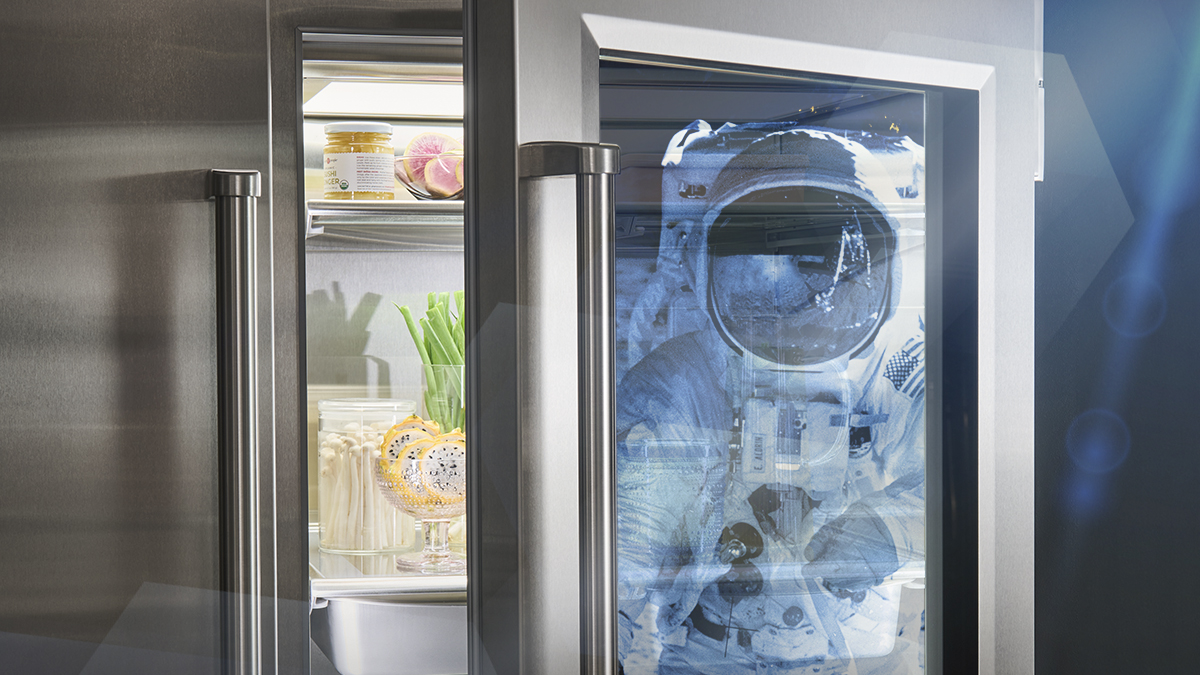
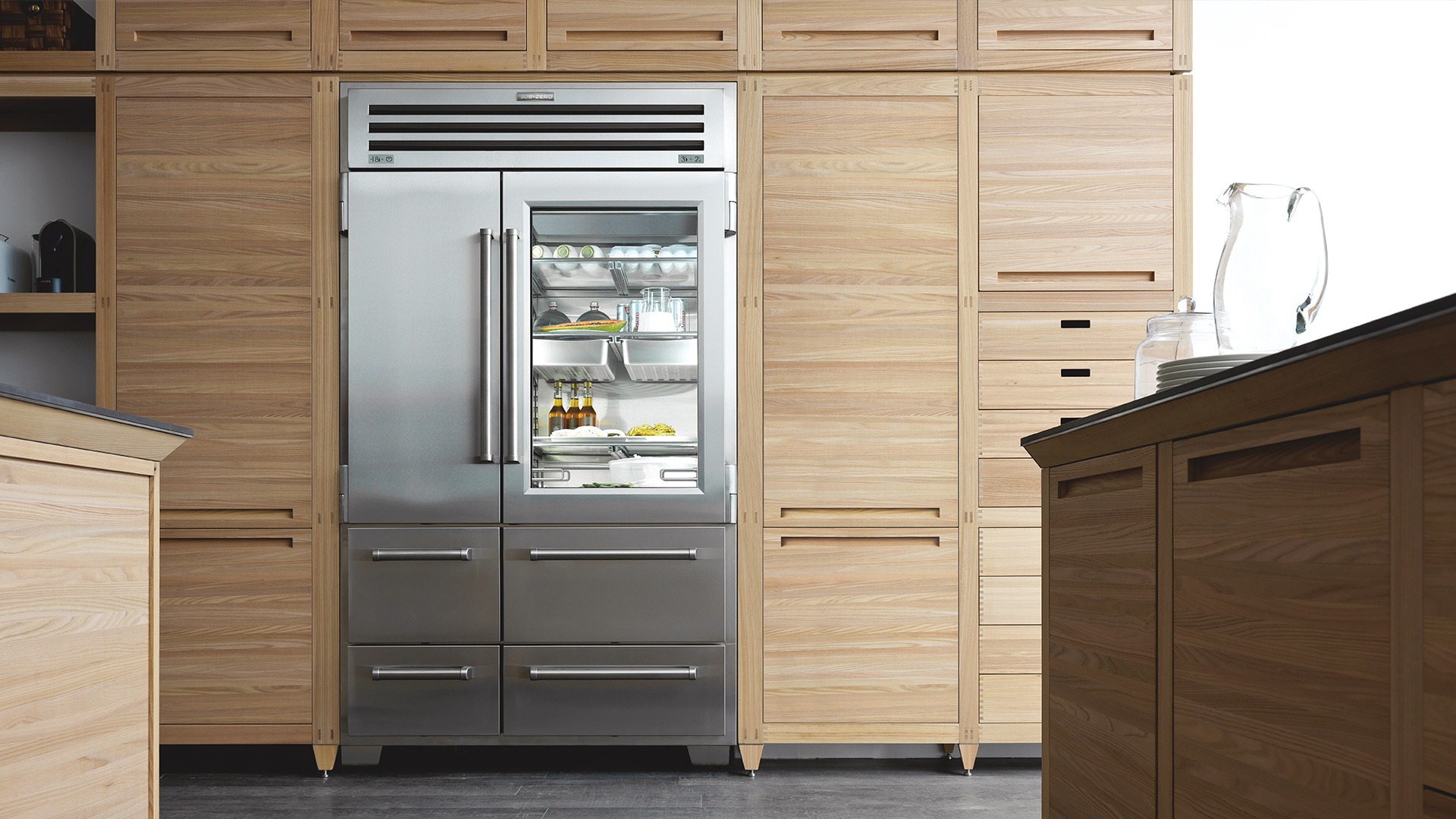
Increasingly, luxury kitchens are designed around the idea that healthy living begins with access to fresh ingredients and thoughtful preparation. Advanced refrigeration preserves produce, seafood, and specialty ingredients longer, maintaining quality and reducing waste. Precision cooking systems allow meals to be prepared consistently and carefully, supporting culinary creativity and nutritional goals.
A Hub for Preventive Health and Nutrition
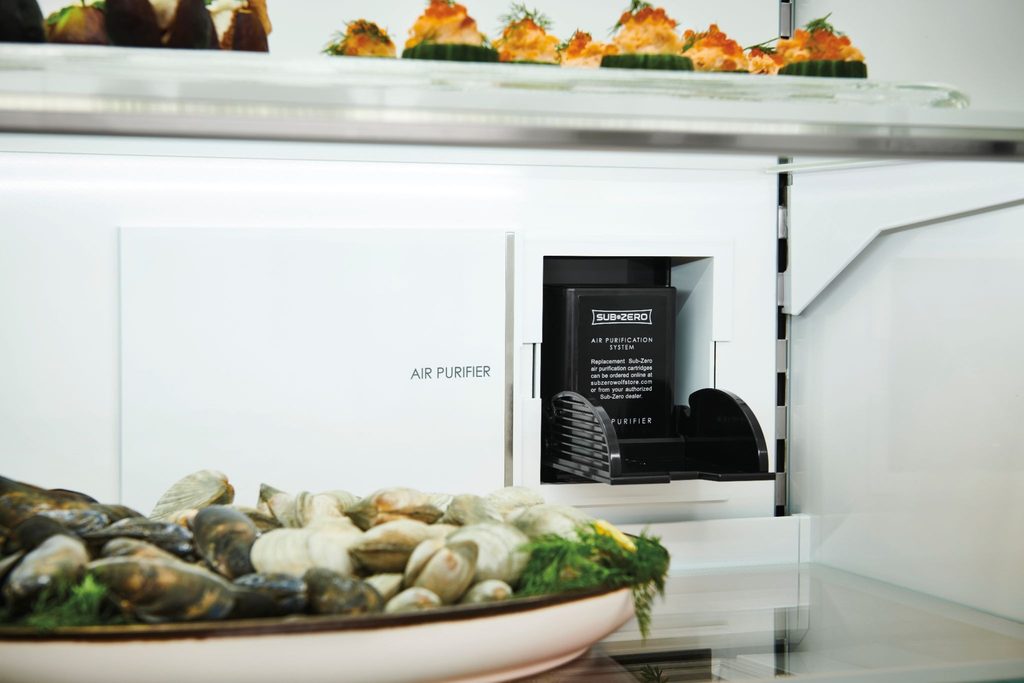
The shift reflects a growing focus on longevity. Around the world, interest in preventive health, personalized nutrition, and healthy aging is rising. Instead of reserving wellness for occasional retreats or spas, homeowners incorporate these principles into daily routines. The home becomes the foundation of that lifestyle.
The kitchen, in particular, is taking on a role that extends far beyond cooking.
It is where fresh ingredients are selected, family traditions are maintained, and guests gather for shared experiences. Increasingly, it functions as a private wellness hub supporting everything from mindful eating to elevated entertaining.
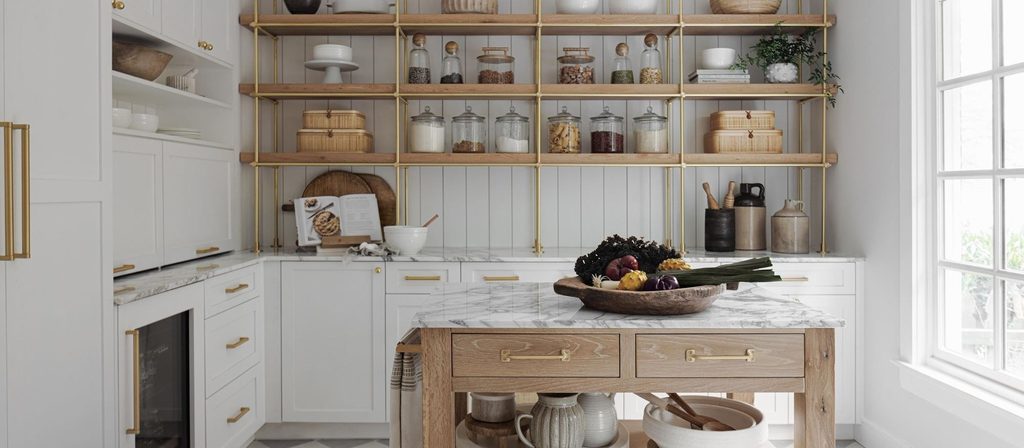
Hospitality is also being redefined. Lavish displays give way to meaningful experiences. Intimate dinners with seasonal ingredients, wellness-focused brunches, and gatherings prioritizing comfort over extravagance are becoming common. The emphasis is no longer on excess but on creating environments where people feel at ease.
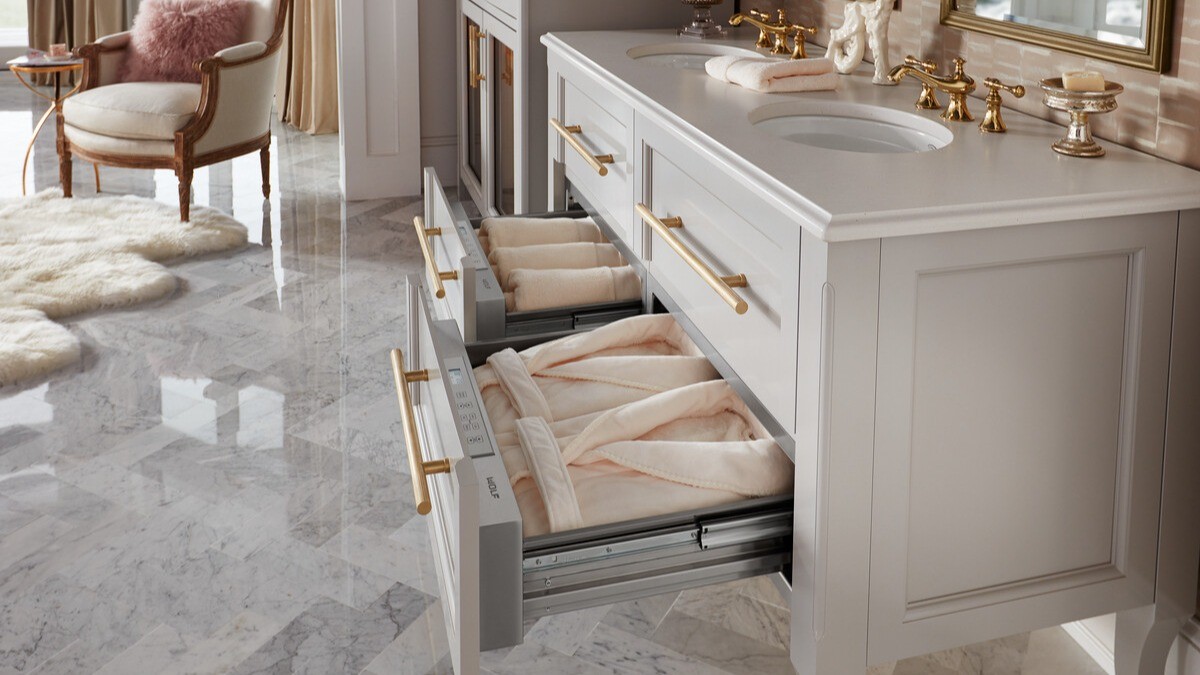
A growing number of luxury residences are extending this philosophy throughout the home. Spa-inspired bathrooms, meditation rooms, fitness studios, recovery spaces, infrared saunas, and nature-focused outdoor retreats are becoming integral elements of residential design. Features once associated with luxury resorts are now seamlessly integrated into private living environments.
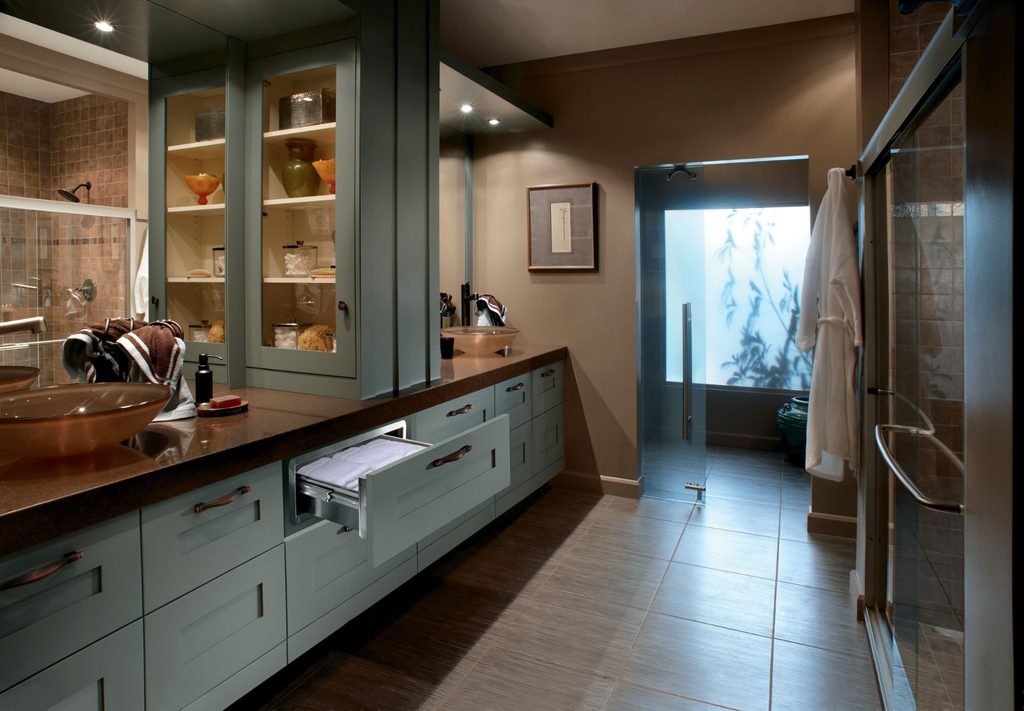
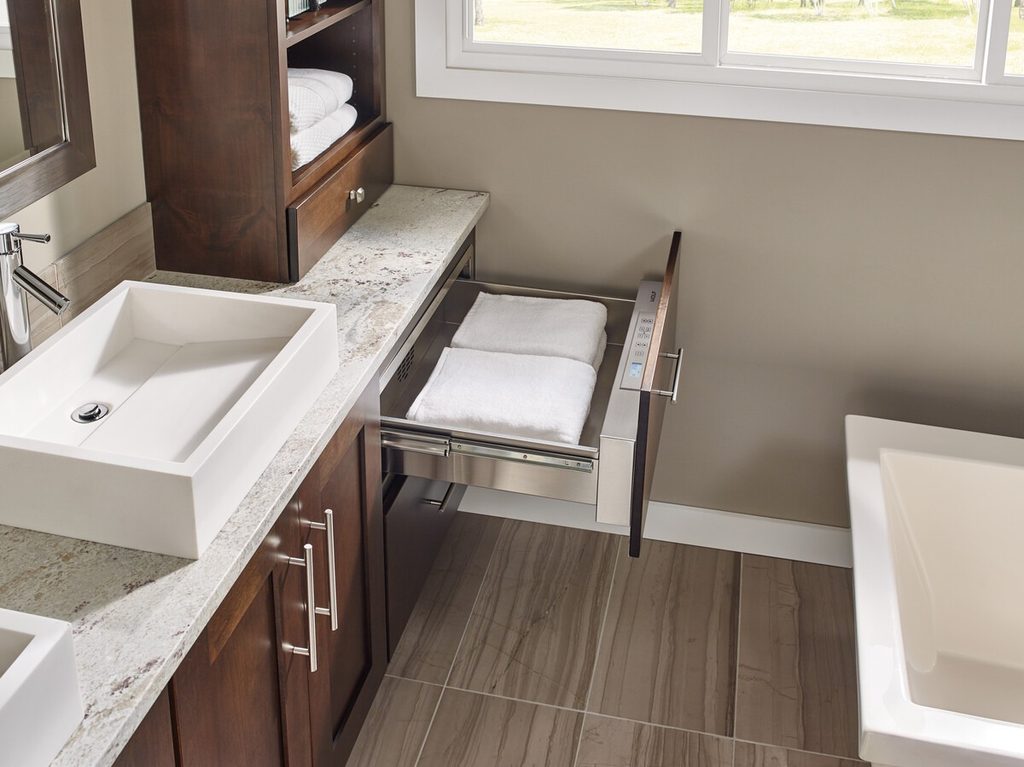
This movement is evident across parts of Asia and Australia, where wellness-conscious lifestyles influence residential architecture. Designers embrace biophilic principles, emphasizing natural ventilation, daylight optimization, and stronger connections between indoor and outdoor spaces. The result is a home that feels less like a static asset and more like a living ecosystem.
The Ultimate Luxury: Living Better
Perhaps that is why the most compelling luxury homes today often feel remarkably understated.
They are not defined by a single room, a dramatic façade, or a headline-grabbing amenity. Their value lies in how they make everyday life feel—calmer, healthier, and more balanced.
Because in an era where time, privacy, and well-being have become increasingly precious, the ultimate luxury is no longer simply having more.
It is living better.
And the most coveted homes are no longer just places to stay.
They are sanctuaries designed to help their owners thrive.
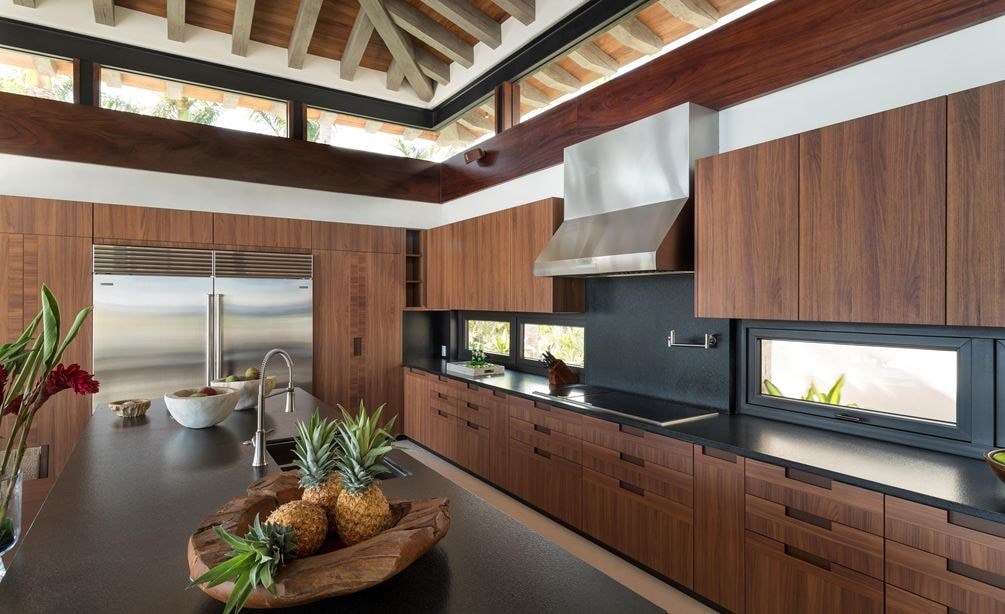
Experience the precision of our integrated collection firsthand and secure the harmony of your next project by booking a showroom appointment.
Sub-Zero and Wolf. A Higher Standard.